
📘 La forma interrogativa del verbo TO BE – Indicative Mood (Presente Simple)
El verbo to be (ser / estar) es uno de los verbos más importantes del inglés. Saber hacer preguntas correctamente con este verbo es esencial para mantener conversaciones básicas, presentarte, preguntar información personal, hablar de ubicación, edad, profesión y mucho más.
En esta lección aprenderás:
- Qué significa “indicative mood”
- Cómo se forma la interrogativa del verbo to be
- Reglas paso a paso
- Respuestas cortas
- Contracciones
- Preguntas negativas
- Errores comunes
- Muchos ejemplos prácticos
- Ejercicios con soluciones
1️⃣ ¿Qué es el Indicative Mood?
El indicative mood (modo indicativo) es el modo verbal que usamos para:
- Expresar hechos reales
- Hacer afirmaciones
- Hacer preguntas reales
Ejemplos:
- She is happy. (afirmación)
- Is she happy? (pregunta real)
No estamos hablando de hipótesis ni deseos, sino de situaciones reales.
2️⃣ Recordatorio: Forma afirmativa del verbo TO BE (presente)
| Sujeto | Verbo |
|---|---|
| I | am |
| You | are |
| He | is |
| She | is |
| It | is |
| We | are |
| They | are |
Ejemplos:
- I am tired.
- She is a teacher.
- They are at home.
3️⃣ ¿Cómo se forma la interrogativa?
La forma interrogativa del verbo to be es muy sencilla.
📌 Regla principal:
👉 Se invierte el orden del sujeto y el verbo.
Es decir:
Verbo + sujeto + complemento?
4️⃣ Estructura paso a paso
Afirmativa:
She is happy.
Paso 1: Identificamos el verbo → is
Paso 2: Lo colocamos antes del sujeto
Interrogativa:
Is she happy?
Afirmativa:
They are ready.
Interrogativa:
Are they ready?
Afirmativa:
I am late.
Interrogativa:
Am I late?
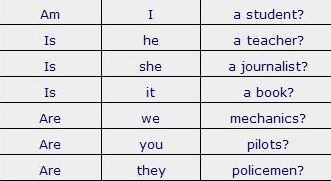
5️⃣ Tabla completa de preguntas
| Afirmativa | Interrogativa |
|---|---|
| I am ready. | Am I ready? |
| You are tired. | Are you tired? |
| He is here. | Is he here? |
| She is a student. | Is she a student? |
| It is cold. | Is it cold? |
| We are late. | Are we late? |
| They are happy. | Are they happy? |
6️⃣ Ejemplos por uso
🔹 Para identidad
- Is she your sister?
- Are you María?
- Am I the winner?
🔹 Para profesión
- Is he a doctor?
- Are they engineers?
🔹 Para edad
- Are you 18?
- Is she 30 years old?
🔹 Para ubicación
- Are you at home?
- Is the phone on the table?
- Are they at school?
🔹 Para estado físico o emocional
- Are you tired?
- Is she sad?
- Am I wrong?
7️⃣ Respuestas cortas
En inglés es muy común usar short answers (respuestas cortas).
Estructura:
Yes, + sujeto + verbo
No, + sujeto + verbo + not
🔹 Ejemplos
Are you tired?
✔️ Yes, I am.
✔️ No, I’m not.
Is she here?
✔️ Yes, she is.
✔️ No, she isn’t.
Are they ready?
✔️ Yes, they are.
✔️ No, they aren’t.
⚠️ Nunca respondemos solo “Yes” o “No” en inglés correcto básico.
8️⃣ Contracciones en preguntas
En preguntas normales no se contrae el verbo con el sujeto.
✔️ Are you ready?
❌ You’re ready? (esto es informal y diferente)
Pero en preguntas negativas sí hay contracción:
- Isn’t she here?
- Aren’t they ready?
9️⃣ Preguntas negativas
También podemos hacer preguntas negativas para expresar sorpresa o confirmar algo.
Estructura:
Isn’t / Aren’t + sujeto + complemento?
Ejemplos:
- Isn’t she your friend?
- Aren’t they at school?
- Aren’t you tired?
Estas preguntas suelen implicar que esperamos una respuesta afirmativa.
🔟 Diferencia con otros verbos
⚠️ El verbo to be es especial.
No usamos auxiliar “do/does” para hacer preguntas.
Incorrecto:
❌ Do you be tired?
❌ Does she be happy?
Correcto:
✔️ Are you tired?
✔️ Is she happy?
Otros verbos sí necesitan auxiliar:
- Do you work?
- Does she study?
Pero con to be solo invertimos el orden.
1️⃣1️⃣ Errores comunes
❌ She is happy?
✔️ Is she happy?
❌ You are ready? (en inglés formal)
✔️ Are you ready?
❌ Am not I late?
✔️ Am I not late?
❌ Is they here?
✔️ Are they here?
1️⃣2️⃣ Entonación en preguntas
En inglés, las preguntas suelen tener entonación ascendente al final.
Are you ready? ↗
Is she here? ↗
Esto es importante en la comunicación oral.
Ejercicios prácticos
📝 Ejercicio 1 – Convierte en pregunta
- She is tired.
- They are at home.
- He is your teacher.
- We are late.
- It is cold.
📝 Ejercicio 2 – Elige la opción correcta
- (Is / Are) she happy?
- (Am / Is) I late?
- (Is / Are) they ready?
- (Are / Am) you tired?
- (Is / Are) it your phone?
📝 Ejercicio 3 – Responde con respuesta corta
- Are you a student? (Yes)
- Is she at home? (No)
- Are they ready? (Yes)
- Is he your brother? (No)
- Are we late? (Yes)
📝 Ejercicio 4 – Traduce al inglés
- ¿Estás cansado?
- ¿Es ella tu hermana?
- ¿Estamos en casa?
- ¿Son ellos estudiantes?
- ¿Hace frío?
✅ SOLUCIONES
✔️ Ejercicio 1
- Is she tired?
- Are they at home?
- Is he your teacher?
- Are we late?
- Is it cold?
✔️ Ejercicio 2
- Is
- Am
- Are
- Are
- Is
✔️ Ejercicio 3
- Yes, I am.
- No, she isn’t.
- Yes, they are.
- No, he isn’t.
- Yes, we are.
✔️ Ejercicio 4
- Are you tired?
- Is she your sister?
- Are we at home?
- Are they students?
- Is it cold?
📌 Resumen final
✔️ Para hacer preguntas con to be en presente, invertimos el orden:
Verbo + sujeto + complemento?
✔️ No usamos auxiliares.
✔️ Usamos respuestas cortas: Yes, I am / No, she isn’t.
✔️ Es una estructura básica pero esencial para la comunicación.
Dominar esta forma te permitirá hacer preguntas correctas en conversaciones reales desde el nivel más básico.
Present
am I?
are you?
is he?
are we?
are you?
are they?
Present continuous
am I being?
are you being?
is he being?
are we being?
are you being?
are they being?
Preterite
was I?
were you?
was he?
were we?
were you?
were they?
Preterite
was I being?
were you being?
was he being?
were we being?
were you being?
were they being?
Present perfect
have I been?
have you been?
has he been?
have we been?
have you been?
have they been?
Present perfect continuous
have I been being?
have you been being?
has he been being?
have we been being?
have you been being?
have they been being?
Pluperfect
had I been?
had you been?
had he been?
had we been?
had you been?
had they been?
Pluperfect continuous
had I been being?
had you been being?
had he been being?
had we been being?
had you been being?
had they been being?
Future
will I be?
will you be?
will he be?
will we be?
will you be?
will they be?
Continuous future
will I be being?
will you be being?
will he be being?
will we be being?
will you be being?
will they be being?
Future tense
will I have been?
will you have been?
will he have been?
will we have been?
will you have been?
will they have been?
Future continuous tense
will I have been being?
will you have been being?
will he have been being?
will we have been being?
will you have been being?
will they have been being?
🔆 También te puede interesar:
- Presente continuo - Forma Interrogativa
- Presente continuo - Forma Afirmativa
- Presente del verbo to be
🔆 También te puede interesar:
- El comparativo y el superlativo en inglés
- Preguntas con WH-Questions 01 - What, where, why, who
- Preguntas con WH-Questions 02 - When, Which, Whose, How
- Cómo expresar cantidades en inglés
- Adjectives - Los Adjetivos en Inglés
- Present Perfect Progressive - Presente perfecto progresivo
- Present perfect - El presente perfecto inglés
- Pretérito progresivo o continuo en inglés
- Simple past - El pretérito o pasado simple en inglés
- Presente continuo - Forma Afirmativa - English grammar
- Presente continuo - Forma Negativa
