

Pronombres relativos en inglés - WHO, WHICH y THAT
Los pronombres relativos sirven para unir dos ideas en una sola frase y para dar información adicional sobre una persona, cosa, animal o idea, evitando repeticiones innecesarias.
En inglés, los más comunes son:
- WHO
- WHICH
- THAT
Aunque a veces pueden parecer intercambiables, no siempre se usan igual, y entender bien sus diferencias es clave para hablar y escribir correctamente.
1️⃣ ¿Qué es un pronombre relativo?
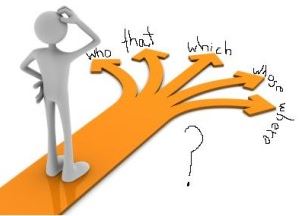
Un pronombre relativo:
- Sustituye a un sustantivo
- Introduce una oración de relativo
- Da información extra sobre ese sustantivo
📌 Ejemplo básico
- This is the girl.
- She lives next door.
👉 Con pronombre relativo:
- This is the girl who lives next door.
2️⃣ WHO
✅ Uso principal
WHO se usa para personas.
👉 Se refiere a people, nunca a objetos ni animales (salvo personificación).
📌 Ejemplos
- The teacher who explains this is very good.
- I know a man who works in London.
- She is the woman who helped me.
📎 Importante:
WHO puede hacer la función de:
- Sujeto del verbo
- Objeto del verbo (aunque en este caso a veces se omite)
🔹 WHO como sujeto
No se puede omitir.
- The girl who lives here is my cousin. ✅
(no se puede quitar who)
🔹 WHO como objeto
Se puede omitir en inglés informal.
- The man (who) I met yesterday is nice.
Ambas son correctas:
- The man who I met yesterday
- The man I met yesterday
3️⃣ WHICH
✅ Uso principal
WHICH se usa para cosas y animales.
👉 Nunca para personas.
📌 Ejemplos
- This is the book which I told you about.
- The dog which is barking is mine.
- She bought a phone which is very expensive.
🔹 WHICH como sujeto
No se puede omitir.
- The car which is parked outside is new.
🔹 WHICH como objeto
Se puede omitir en inglés informal.
- The film (which) we watched was boring.
4️⃣ THAT
✅ Uso principal
THAT se puede usar para:
- Personas
- Cosas
- Animales
Es el pronombre más flexible y muy común en inglés hablado e informal.
📌 Ejemplos
- The boy that lives here is my friend.
- The book that I’m reading is interesting.
- The dog that bit me was small.
⚠️ Limitación importante de THAT
THAT no se puede usar en oraciones no definitorias (las que van entre comas).
👉 Esto lo veremos más abajo.
5️⃣ Diferencia clave: oraciones definitorias y no definitorias
Este punto es fundamental para usar bien who, which y that.
🔹 Oraciones definitorias (Defining Relative Clauses)
Dan información esencial.
Sin esa información, no sabemos de quién o de qué hablamos.
👉 NO llevan comas.
📌 Ejemplos
- The woman who lives next door is a doctor.
(¿Qué mujer? La que vive al lado) - The book that you gave me is great.
👉 En este tipo:
- ✔️ WHO
- ✔️ WHICH
- ✔️ THAT
🔹 Oraciones no definitorias (Non-defining Relative Clauses)
Dan información extra, no esencial.
La frase sigue teniendo sentido sin esa información.
👉 SIEMPRE llevan comas.
📌 Ejemplos
- My sister, who lives in Madrid, is a lawyer.
- This car, which I bought last year, is electric.
👉 En este tipo:
- ✔️ WHO
- ✔️ WHICH
- ❌ THAT no se usa
⚠️ Regla clave:
THAT nunca se usa entre comas
6️⃣ Resumen rápido de uso
| Pronombre | Personas | Cosas | Animales | Definitorias | No definitorias |
|---|---|---|---|---|---|
| WHO | ✅ | ❌ | ❌ | ✅ | ✅ |
| WHICH | ❌ | ✅ | ✅ | ✅ | ✅ |
| THAT | ✅ | ✅ | ✅ | ✅ | ❌ |
7️⃣ Errores comunes que debes evitar
❌ The woman which lives here is my aunt.
✔️ The woman who lives here is my aunt.
❌ My car, that I bought last year, is red.
✔️ My car, which I bought last year, is red.
❌ The man who I spoke yesterday was angry.
✔️ The man (who) I spoke to yesterday was angry.
✏️ EJERCICIOS
📝 Ejercicio 1: Elige la opción correcta
- The boy ___ is playing football is my brother.
a) which
b) who
c) where - This is the book ___ I told you about.
a) who
b) that
c) where - My mother, ___ lives in Valencia, is retired.
a) that
b) who
c) which - The dog ___ is sleeping is very old.
a) who
b) which
c) whose
📝 Ejercicio 2: Completa con WHO, WHICH o THAT (o deja en blanco si es posible)
- The woman ___ I met yesterday is a doctor.
- The film ___ we watched last night was terrible.
- My brother, ___ works in IT, lives abroad.
- The house ___ is on the corner is very old.
📝 Ejercicio 3: Corrige el error
- The car that I bought last year, is very fast.
- The girl which lives next door is very nice.
- My uncle, that lives in Seville, is a chef.
✅ SOLUCIONES
✔️ Ejercicio 1
- b) who
- b) that
- b) who
- b) which
✔️ Ejercicio 2
- (who) / who
- (which / that)
- who
- which / that
✔️ Ejercicio 3
- The car which I bought last year is very fast.
- The girl who lives next door is very nice.
- My uncle, who lives in Seville, is a chef.
🎯 Conclusión
✔️ WHO → personas
✔️ WHICH → cosas y animales
✔️ THAT → personas y cosas (solo en definitorias)
✔️ Comas = NO THAT
✔️ A veces el pronombre se puede omitir
🔆 También te puede interesar:
- Was going to - El futuro en el pasado
- DO y MAKE en inglés ¿Cuáles son las diferencias?
- Cuándo usar Since, For, Ago: ¿Cuáles son las diferencias?
- The Gerund - El gerundio en inglés
- El Imperativo en Inglés - Imperative
- El comparativo y el superlativo en inglés
- Preguntas con WH-Questions 01 - What, where, why, who
- Preguntas con WH-Questions 02 - When, Which, Whose, How
- Cómo expresar cantidades en inglés
- Adjectives - Los Adjetivos en Inglés
- Uso de some / any acompañando nombres contables/incontables
