
1. ¿Qué es el verbo BE?
El verbo BE es uno de los verbos más importantes del inglés.
Equivale a los verbos españoles ser y estar, y se usa para hablar de:
- Identidad
- Profesión
- Nacionalidad
- Edad
- Estado físico o emocional
- Ubicación
- Descripciones generales
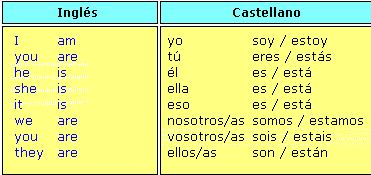
👉 A diferencia del español, en inglés no se conjuga igual para todas las personas.
2. Formas del verbo BE en presente
En presente simple, el verbo BE tiene tres formas:
| Persona | Verbo BE |
|---|---|
| I | am |
| You | are |
| He | is |
| She | is |
| It | is |
| We | are |
| You (plural) | are |
| They | are |
Ejemplos básicos:
- I am tired. → Estoy cansado/a
- She is a teacher. → Ella es profesora
- They are at home. → Ellos están en casa
⚠️ Nunca se dice: ❌ I is o ❌ She are
3. Uso del verbo BE
3.1. Para decir quién eres (identidad)
- I am María.
- He is my brother.
- They are my friends.
3.2. Para profesiones y roles
👉 En inglés no se usa artículo delante de profesiones en plural, pero sí en singular.
- She is a doctor.
- I am a student.
- They are engineers.
3.3. Para nacionalidad y origen
- I am Spanish.
- She is from Mexico.
- We are European.
3.4. Para edad (MUY IMPORTANTE)
En inglés NO se usa “have” para la edad.
❌ I have 20 years
✔️ I am 20 years old
Más ejemplos:
- He is 15 years old.
- They are 30.
3.5. Para estados físicos o emocionales
- I am happy.
- She is tired.
- We are nervous.
3.6. Para ubicación (estar)
- I am at home.
- The keys are on the table.
- My phone is in my bag.
4. Forma afirmativa
Estructura:
Sujeto + verbo BE + complemento
Ejemplos:
- I am ready.
- You are late.
- He is my friend.
- We are in class.
5. Forma negativa
Para hacer la negativa, solo hay que añadir NOT después del verbo BE.
Forma completa
- I am not tired.
- She is not here.
- They are not students.
Forma contraída (la más usada)
| Forma completa | Contracción |
|---|---|
| am not | — (no se contrae) |
| is not | isn’t |
| are not | aren’t |
Ejemplos:
- He isn’t happy.
- We aren’t ready.
- I am not angry.
6. Forma interrogativa
Para hacer preguntas con BE, se invierte el orden:
Estructura:
Verbo BE + sujeto + complemento?
Ejemplos:
- Am I late?
- Are you okay?
- Is she your sister?
- Are they at school?
Respuestas cortas
- Yes, I am. / No, I’m not.
- Yes, she is. / No, she isn’t.
- Yes, they are. / No, they aren’t.
⚠️ Nunca se responde solo Yes o No en inglés correcto básico.
7. Contracciones del verbo BE
En inglés hablado y escrito informal, las contracciones son muy comunes.
| Forma larga | Contracción |
|---|---|
| I am | I’m |
| You are | You’re |
| He is | He’s |
| She is | She’s |
| It is | It’s |
| We are | We’re |
| They are | They’re |
Ejemplos:
- I’m tired.
- She’s a student.
- They’re at home.
8. Errores comunes (muy importantes)
❌ She are happy
✔️ She is happy
❌ I am agree
✔️ I agree (agree NO usa BE)
❌ Is raining
✔️ It is raining
❌ I have hungry
✔️ I am hungry
9. BE vs otros verbos
El verbo BE no se usa con verbos de acción:
❌ I am study English
✔️ I study English
Pero sí se usa con:
- Adjetivos → I am tired
- Sustantivos → She is a teacher
- Lugares → We are here
Ejercicios prácticos
📝 Ejercicio 1: Completa con AM / IS / ARE
- I ___ happy.
- She ___ my best friend.
- They ___ at school.
- We ___ ready.
- It ___ cold today.
📝 Ejercicio 2: Pasa a forma negativa
- He is tired.
- We are late.
- She is at home.
- They are students.
- I am angry.
📝 Ejercicio 3: Ordena las palabras
- is / my / she / sister
- are / you / ready
- am / I / late
- they / at / are / home
- it / cold / is
📝 Ejercicio 4: Traduce al inglés
- Soy estudiante.
- Ella está cansada.
- ¿Estás bien?
- No estamos en casa.
- Ellos son mis amigos.
Soluciones
✅ Ejercicio 1
- am
- is
- are
- are
- is
✅ Ejercicio 2
- He isn’t tired.
- We aren’t late.
- She isn’t at home.
- They aren’t students.
- I am not angry.
✅ Ejercicio 3
- She is my sister.
- Are you ready?
- Am I late?
- Are they at home?
- It is cold.
✅ Ejercicio 4
- I am a student.
- She is tired.
- Are you okay?
- We aren’t at home.
- They are my friends.
Resumen final
✔️ El verbo BE significa ser o estar
✔️ En presente solo tiene tres formas: am, is, are
✔️ Se usa para identidad, estado, edad, profesión y lugar
✔️ Es básico para hablar correctamente en inglés
