

📘 La forma negativa del verbo TO BE en inglés
(Presente simple: am / is / are)
El verbo to be es el verbo más importante del inglés. Significa ser o estar, y su forma negativa es una de las primeras estructuras que debes dominar para poder comunicarte correctamente.
En esta lección veremos:
- Cómo se forma la negativa paso a paso
- Cuándo usar cada forma
- Contracciones
- Errores comunes
- Comparación con el español
- Ejercicios prácticos con soluciones
1️⃣ Recordatorio: El verbo TO BE en presente
Antes de aprender la forma negativa, recordemos la forma afirmativa:
| Sujeto | Verbo |
|---|---|
| I | am |
| You | are |
| He | is |
| She | is |
| It | is |
| We | are |
| They | are |
Ejemplos afirmativos:
- I am happy.
- She is tired.
- They are at home.
2️⃣ ¿Cómo se forma la negativa?
La forma negativa del verbo to be es muy sencilla.
📌 Regla básica:
Sujeto + verbo to be + NOT
Ejemplos:
- I am not tired.
- She is not here.
- They are not students.
A diferencia de otros verbos en inglés, no necesitamos usar el auxiliar "do" para hacer la negativa.
❌ Incorrecto: She does not be happy.
✔️ Correcto: She is not happy.
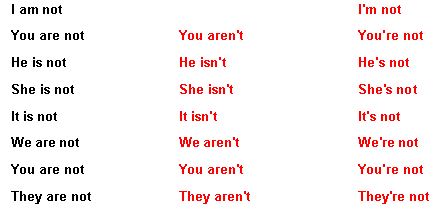
3️⃣ Las formas negativas completas
| Sujeto | Forma negativa completa |
|---|---|
| I | I am not |
| You | You are not |
| He | He is not |
| She | She is not |
| It | It is not |
| We | We are not |
| They | They are not |
Ejemplos:
- I am not ready.
- He is not my brother.
- We are not late.
- It is not cold today.
4️⃣ Las contracciones (formas cortas)
En inglés hablado y en escritura informal, se usan mucho las contracciones.
📌 Contracciones negativas:
| Forma larga | Contracción |
|---|---|
| is not | isn’t |
| are not | aren’t |
| am not | (no tiene contracción estándar con “am not”) |
⚠️ Importante:
“I am not” no se convierte en “amn’t”.
En inglés informal británico existe “ain’t”, pero no es correcto en inglés estándar formal.
🔹 Ejemplos con contracciones
- She isn’t here.
- They aren’t ready.
- We aren’t at school.
- I am not angry.
También se pueden contraer el sujeto + verbo:
- I’m not tired.
- She’s not here.
- They’re not ready.
Hay dos opciones correctas:
✔️ She is not happy.
✔️ She isn’t happy.
✔️ She’s not happy.
5️⃣ Uso de la forma negativa
La negativa del verbo to be se usa para:
1️⃣ Negar identidad
- He is not a doctor.
- I am not María.
2️⃣ Negar estado físico o emocional
- She isn’t tired.
- I’m not sad.
3️⃣ Negar ubicación
- They aren’t at home.
- The keys aren’t on the table.
4️⃣ Negar edad
- I am not 18 years old.
- He isn’t 30.
6️⃣ Comparación con el español
En español decimos:
- No soy estudiante.
- No está en casa.
En inglés el orden cambia:
Español:
No + verbo
Inglés:
Verbo + not
Ejemplo:
- I am not tired.
(No decimos “Not I am tired”)
7️⃣ Estructura paso a paso
Veamos cómo transformar una frase afirmativa en negativa.
Ejemplo 1:
Afirmativa:
She is happy.
Paso 1: Identificar el verbo → is
Paso 2: Añadir NOT después del verbo
Resultado:
She is not happy.
She isn’t happy.
Ejemplo 2:
Afirmativa:
They are students.
Paso 1: Verbo → are
Paso 2: Añadir NOT
Resultado:
They are not students.
They aren’t students.
8️⃣ Errores comunes
❌ She not is here.
✔️ She is not here.
❌ They don’t are ready.
✔️ They aren’t ready.
❌ I no am tired.
✔️ I am not tired.
❌ He isn’t a teacher? (cuando queremos afirmar)
✔️ He isn’t a teacher.
9️⃣ Preguntas negativas
También podemos hacer preguntas negativas:
- Isn’t she your friend?
- Aren’t they ready?
- Am I not invited? (forma formal)
Ejemplo:
- She isn’t here, is she?
🔟 Ejercicios prácticos
📝 Ejercicio 1 – Pasa a forma negativa
- I am tired.
- She is my sister.
- They are at school.
- We are happy.
- It is cold.
📝 Ejercicio 2 – Elige la forma correcta
- She (isn’t / don’t) ready.
- They (aren’t / isn’t) here.
- I (am not / isn’t) hungry.
- We (aren’t / don’t) late.
- He (is not / does not) my friend.
📝 Ejercicio 3 – Corrige el error
- She not is happy.
- I don’t am ready.
- They isn’t here.
- We no are students.
- He aren’t at home.
📝 Ejercicio 4 – Traduce al inglés
- No estoy cansado.
- Ella no es doctora.
- No estamos en casa.
- Ellos no están listos.
- No es mi problema.
✅ SOLUCIONES
✔️ Ejercicio 1
- I am not tired.
- She is not my sister.
- They are not at school.
- We are not happy.
- It is not cold.
✔️ Ejercicio 2
- isn’t
- aren’t
- am not
- aren’t
- is not
✔️ Ejercicio 3
- She is not happy.
- I am not ready.
- They aren’t here.
- We are not students.
- He isn’t at home.
✔️ Ejercicio 4
- I am not tired.
- She is not a doctor.
- We are not at home.
- They are not ready.
- It is not my problem.
📌 Resumen final
✔️ La forma negativa del verbo to be es muy sencilla:
Sujeto + am/is/are + not
✔️ No usamos “do” ni “does”.
✔️ Podemos usar contracciones: isn’t / aren’t.
✔️ Es esencial para negar identidad, estado, lugar o edad.
Dominar esta estructura es clave para construir frases correctas en inglés.
🔆 También te puede interesar:
- Pronombres Relativos en inglés
- Was going to - El futuro en el pasado
- DO y MAKE en inglés ¿Cuáles son las diferencias?
- Preguntas con WH-Questions 01 - What, where, why, who
- Preguntas con WH-Questions 02 - When, Which, Whose, How
- Cómo expresar cantidades en inglés
- Adjectives - Los Adjetivos en Inglés
- Uso de some / any acompañando nombres contables/incontables
- Modal verbs - Verbos modales en inglés
- El tiempo futuro en inglés
- Present Perfect Progressive - Presente perfecto progresivo
- Present perfect - El presente perfecto inglés
- Pretérito progresivo o continuo en inglés
- Simple past - El pretérito o pasado simple en inglés
