

How to Ask About the Weather in English)
Hablar del tiempo atmosférico es una de las conversaciones más comunes en inglés. Es un tema universal: lo usamos para empezar conversaciones (“small talk”), planificar actividades, describir situaciones y expresar sensaciones.
En esta lección aprenderás:
- Cómo preguntar por el tiempo correctamente
- Cómo responder
- Vocabulario esencial del clima
- Diferencias entre weather y time
- Uso de “it” en expresiones meteorológicas
- Temperatura en grados
- Expresiones comunes
- Errores frecuentes
- Ejercicios prácticos con soluciones
Vamos paso a paso.
1. ¿Cómo preguntar por el tiempo en inglés?
La pregunta más común es:
What’s the weather like?
Forma completa:
What is the weather like?
Significado:
¿Cómo está el tiempo?
Ejemplo:
- What’s the weather like today?
- It’s sunny.
Otras formas comunes
- How’s the weather?
- What’s the weather like in Madrid?
- Is it cold outside?
- Is it raining?
2. Diferencia entre “weather” y “time”
⚠ Error muy común:
- “Weather” = clima / tiempo atmosférico
- “Time” = hora
Incorrecto:
- ❌ What’s the time like?
Correcto:
- ✅ What’s the weather like?
3. Cómo responder correctamente
En inglés usamos el pronombre “it” para hablar del clima.
Estructura básica:
It + is + adjective
Ejemplos:
- It is sunny.
- It is cold.
- It is hot.
- It is windy.
- It is cloudy.
Forma contraída (más común en conversación):
- It’s sunny.
- It’s cold.
- It’s windy.
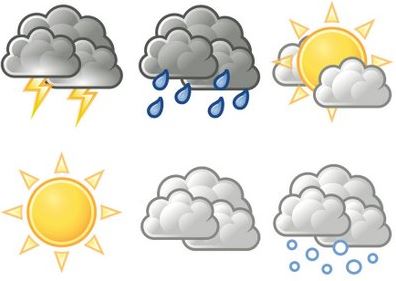
4. Vocabulario básico del tiempo
☀️ Clima soleado
- sunny (soleado)
- warm (templado)
- hot (caluroso)
- bright (luminoso)
Ejemplo:
- It’s sunny and warm today.
☁️ Clima nublado
- cloudy (nublado)
- overcast (completamente cubierto)
Ejemplo:
- It’s cloudy this morning.
🌧 Lluvia
- rainy (lluvioso)
- wet (mojado)
También podemos usar verbo:
- It is raining.
- It is drizzling. (llovizna)
❄️ Frío y nieve
- cold (frío)
- freezing (helado)
- snowy (nevado)
Verbo:
- It is snowing.
Ejemplo:
- It’s freezing today.
💨 Viento y tormentas
- windy (ventoso)
- stormy (tormentoso)
- foggy (con niebla)
Ejemplo:
- It’s very windy.
5. Uso del verbo en forma continua
Cuando usamos verbos como “rain” o “snow”, empleamos presente continuo.
Estructura:
It is + verb-ing
Ejemplos:
- It is raining.
- It is snowing.
- It is hailing. (granizando)
6. Hablar de temperatura
Para hablar de grados usamos:
It’s + number + degrees.
Ejemplos:
- It’s 20 degrees.
- It’s 5 degrees.
En países angloparlantes puede usarse Fahrenheit o Celsius.
También:
- It’s 30 degrees Celsius.
- It’s 70 degrees Fahrenheit.
Para temperaturas extremas:
- It’s below zero. (bajo cero)
- It’s above 30 degrees.
7. Expresiones comunes
- It’s nice out. (Hace buen tiempo.)
- It’s terrible today.
- It’s freezing cold.
- It’s boiling hot. (Muy caluroso)
Para comparar:
- It’s colder than yesterday.
- It’s warmer today.
8. Preguntar por el clima en un lugar específico
- What’s the weather like in London?
- How’s the weather in Barcelona?
- Is it raining in New York?
9. Conversación típica
A: What’s the weather like today?
B: It’s sunny but a little cold.
A: Is it raining later?
B: No, but it’s going to be windy.
10. Errores frecuentes
❌ Error 1: No usar “it”
Incorrecto:
- Is raining.
Correcto:
- It is raining.
❌ Error 2: Usar plural incorrectamente
Incorrecto:
- They are sunny.
Correcto:
- It is sunny.
❌ Error 3: Confundir “hot” y “warm”
- Warm = templado
- Hot = caluroso
11. Diálogos prácticos
Ejemplo 1:
A: How’s the weather?
B: It’s cloudy and cold.
Ejemplo 2:
A: Is it snowing?
B: Yes, it’s snowing heavily.
Ejemplo 3:
A: What’s the temperature?
B: It’s 15 degrees.
EJERCICIOS
Ejercicio 1: Completa la frase
- It is ______ (soleado).
- It is ______ (lloviendo).
- It is very ______ (frío).
- It is ______ (ventoso).
- It is ______ (nevando).
Ejercicio 2: Elige la opción correcta
- Is raining / Is it raining?
- It is sunny / They are sunny.
- What’s the weather like / What’s the time like?
- It’s 20 degree / It’s 20 degrees.
- It is snow / It is snowing.
Ejercicio 3: Traduce al inglés
- ¿Cómo está el tiempo hoy?
- Está lloviendo.
- Hace mucho frío.
- Está nublado.
- Hace 25 grados.
SOLUCIONES
Ejercicio 1
- sunny
- raining
- cold
- windy
- snowing
Ejercicio 2
- Is it raining?
- It is sunny
- What’s the weather like
- It’s 20 degrees
- It is snowing
Ejercicio 3
- What’s the weather like today?
- It is raining. / It’s raining.
- It’s very cold.
- It’s cloudy.
- It’s 25 degrees.
Resumen Final
Para preguntar por el tiempo en inglés recuerda:
- Pregunta principal: What’s the weather like?
- Siempre usamos “it” para describir el clima.
- Estructura básica: It is + adjective.
- Para acciones: It is raining/snowing.
- Para temperatura: It’s + number + degrees.
Dominar este tema te permitirá participar en conversaciones cotidianas de forma natural, especialmente en contextos sociales y viajes.
Vocabulario - Vocabulary
- Weather - tiempo (meteorológico)
- Hot - caluroso
- Cold - frío
- Sunny - soleado
- Cloudy - nuboso
- Lovely - precioso
- Breeze - brisa
- Cloudless - despejado
- Cool - fresco
- Damp - húmedo
- Dry - seco
- Fog - niebla
- Foggy - con niebla
- Freezing - helado
- Frost - escarcha
- Mild - templado
- Overcast - cubierto
- Raining - lloviendo
- Rainy - lluvioso
- Snowing - nevando
- Stormy - tormentoso
- Stuffy - sofocante
- Windy - ventoso
🔆 También te puede interesar:
- Pronombres Relativos en inglés
- Was going to - El futuro en el pasado
- DO y MAKE en inglés ¿Cuáles son las diferencias?
- Cuándo usar Since, For, Ago: ¿Cuáles son las diferencias?
- The Gerund - El gerundio en inglés
- El Imperativo en Inglés - Imperative
- Uso de some / any acompañando nombres contables/incontables
- Modal verbs - Verbos modales en inglés
- El tiempo futuro en inglés
- Present Perfect Progressive - Presente perfecto progresivo
- Present perfect - El presente perfecto inglés
